Meet the Maker: Bobbi Beck
Wallpaper may not be the first thing that springs to mind when we think of disruption in design, but Bobbi Beck is quietly rewriting the rules.
Launched during lockdown, the Cornwall-based studio was born out of a desire to make luxury wallpaper not only beautiful, but thoughtful in every sense – from how it’s made to how it reaches the customer.
“I’d noticed that the luxury wallpaper market was full of heritage brands,” co-founder James Mellan-Matulewicz tells Love to Home, “They were stunning, but they also felt pretty locked off. I don’t mean that they were lofty, but literally, getting a price or purchasing anything meant navigating a maze of reps or physical retailers. It was too complicated!”

Bobbi Beck wanted to offer the same high-end product, but in a way that was simple and accessible for today’s buyers, with all the convenience of a digital-first approach.
This desire to rethink the rules didn’t stop at how wallpaper is sold – it extends to how it’s made. Sustainability is baked into every decision at the studio, a mindset reinforced daily by their coastal surroundings.
“Living and working by the coast is a constant reminder of how vital it is to protect nature and minimise our impact on the planet.”
Sustainability has fast become a hot talking point across industries. Tree planting and other quick-fix measures have become shorthand for “doing good,” offering an easy story for brands to tell. The problem is that without looking at the full picture – from production processes to material sourcing and waste – these gestures can tip into greenwashing, giving the impression of responsibility while leaving the larger environmental footprint largely unaddressed.
Bobbi Beck takes a different approach, measuring its total carbon output before taking action. "Carbon Neutrality consists of tracking the company’s carbon output. This is done by utilising an approved framework for monitoring and measuring waste and energy usage, which is given a carbon output score. At the end of each year, we calculate all of this information up and then we offset this carbon by contributing the same amount to climate-positive projects around the world. We do this through our Ecologi, which is a well-established and reputable carbon offsetting organisation.”

The brand offers four main paper types. Premium and Peel & Stick are PVC-free and made from 95% plant-based cellulose, while Luxury and Superluxe Silk papers provide extra durability and include at least 20% recycled content, with plans to increase this further. All base papers are unbleached, and the inks are Greenguard Gold Certified for low VOCs and indoor air quality.
Packaging is 100% plastic-free, recyclable, and compostable, and the studio also offsets carbon emissions on all courier shipments.
But perhaps the biggest impact of all comes from Bobbi Beck’s broader production model. Unlike traditional companies that often sit on warehouses full of stock, Bobbi Beck operates on a near zero-waste model.
“Our most significant sustainability measure is our made-to-order model,” James explains, “While recyclability and plastic reduction matter, reducing waste has the greatest impact. By manufacturing only when an order is placed, we avoid overproduction and landfill waste. With a return rate of around 1%, almost everything we produce is installed and can last for decades.”
The made-to-order approach also allows the team to take creative risks with new designs and not overthink things. “The majority of our product development is driven by customer insight. That might mean analysing what people are searching for online and creating designs to meet that demand, or taking inspiration directly from custom requests and turning them into products for the website.” Although, “There have been many designs which have been far more popular than expected and some which felt like sure bets that never really took off,” James admits.

Bobbi Beck is no stranger to risk and uncertainty. Launching a business during lockdown brought its own challenges. “We launched during high levels of economic and political turmoil, none of which has really stabilised since we began,” James reflects. “If anything, the economic pressures have only increased. However, we’ve weathered our biggest storms and are now in a strong position with a bright future.”
Looking ahead, Bobbi Beck is keeping a close eye on the trends shaping interior design.
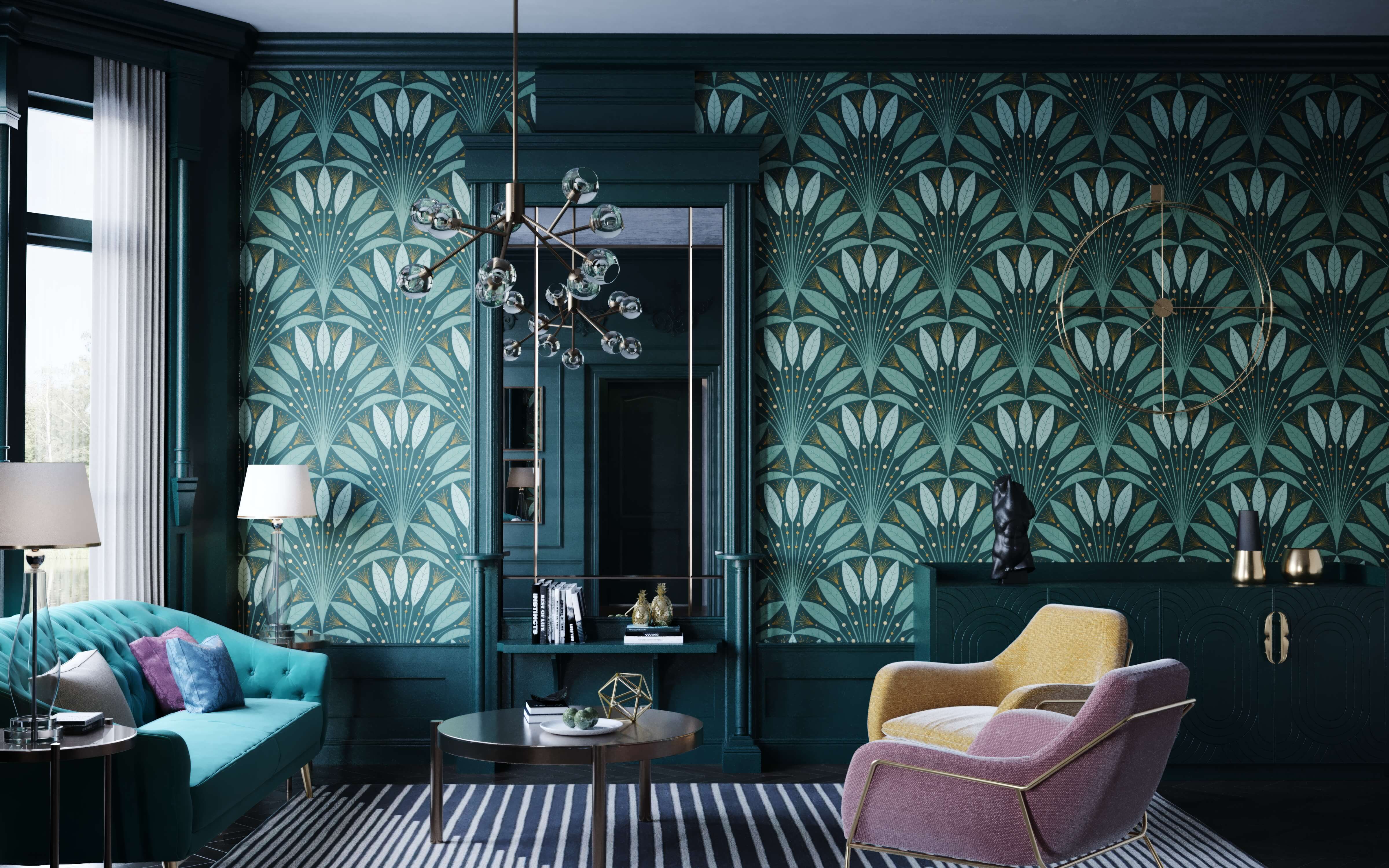
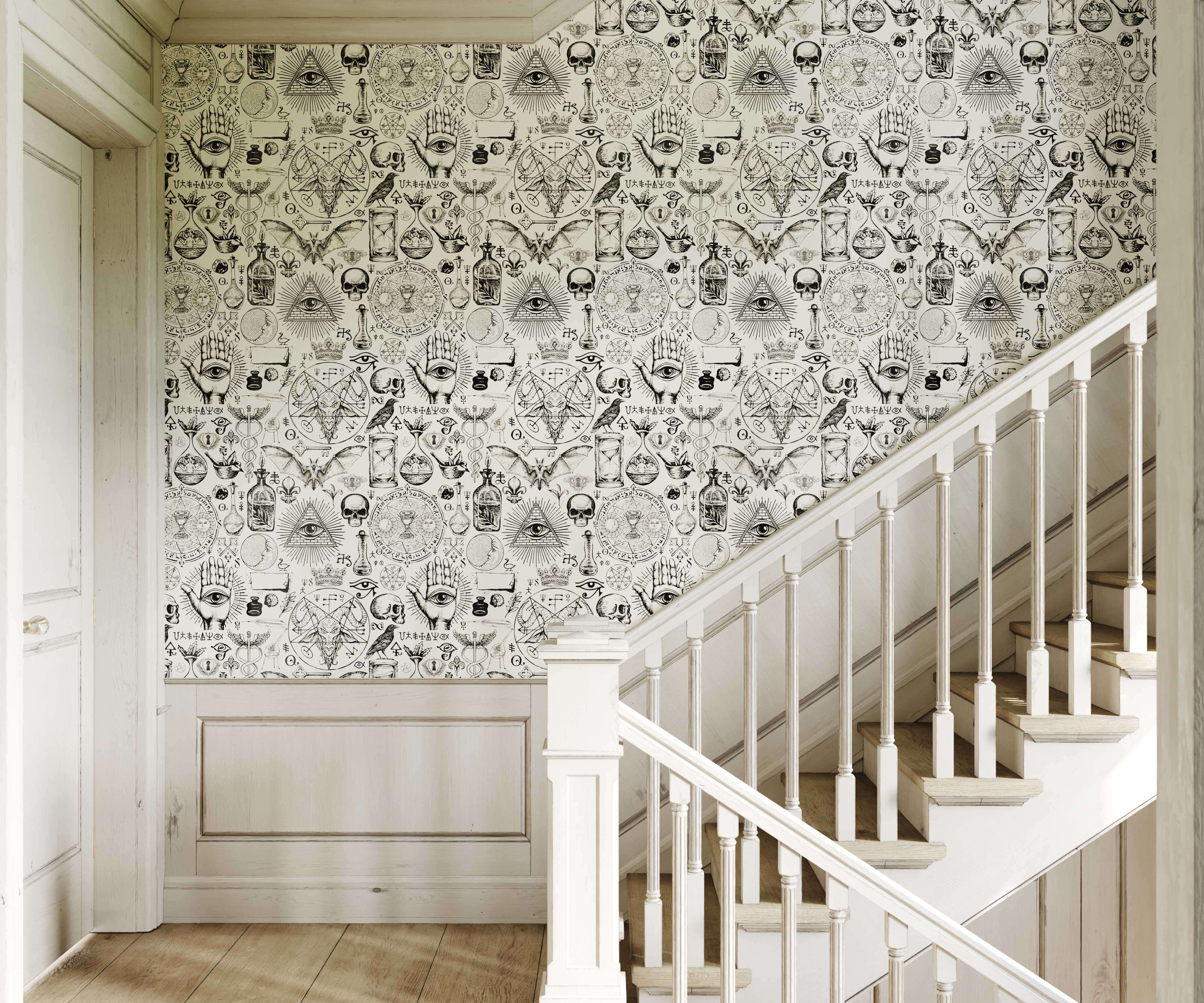
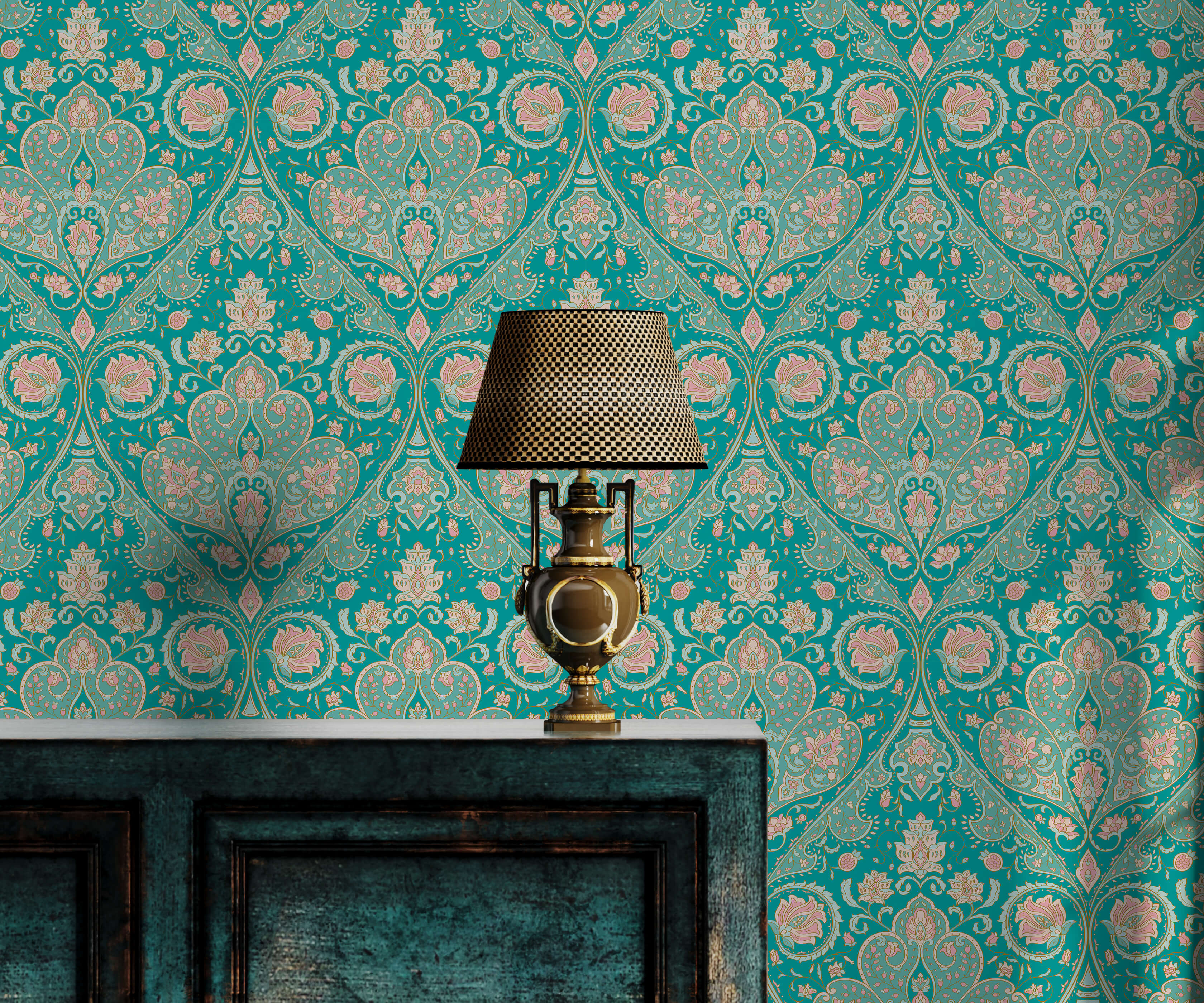
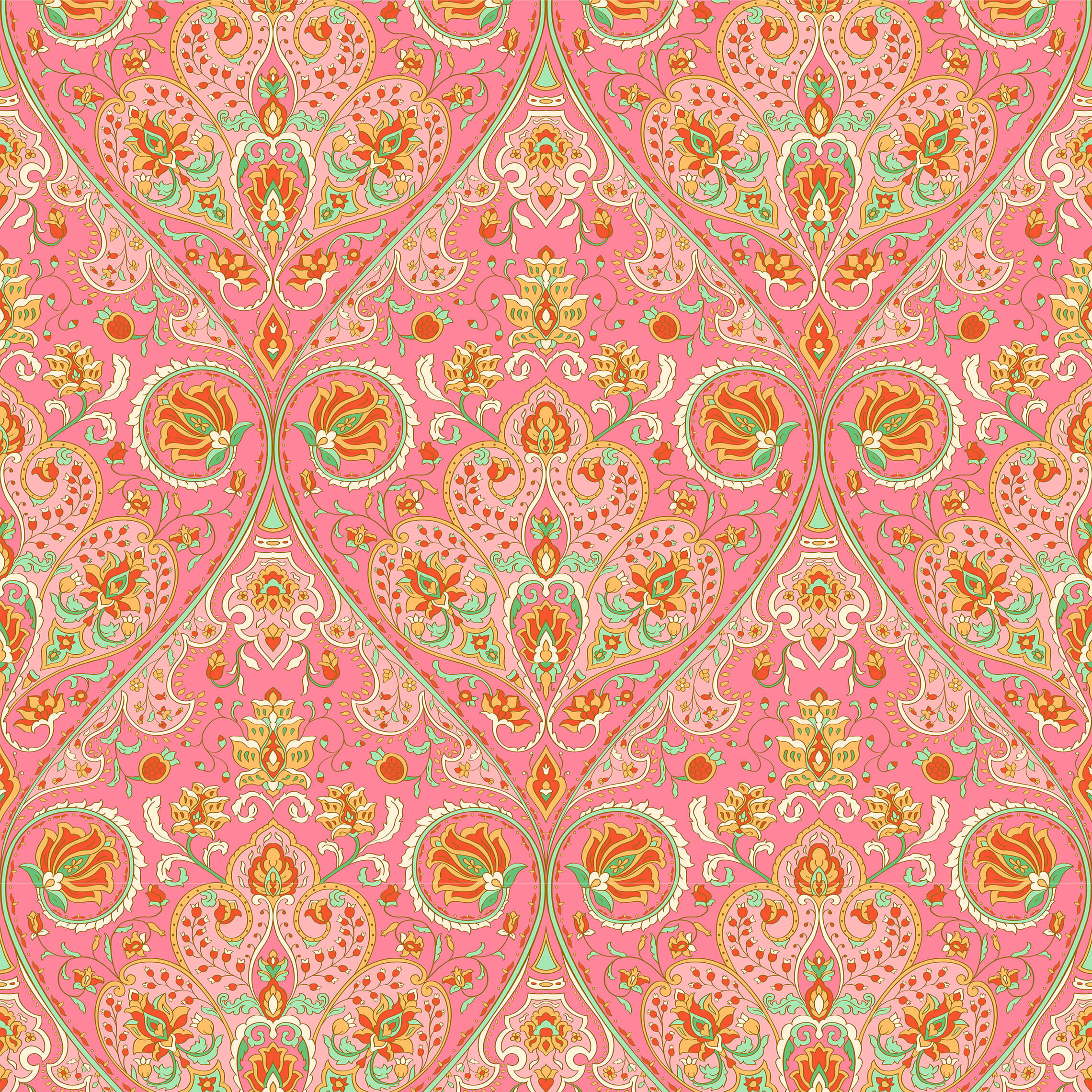
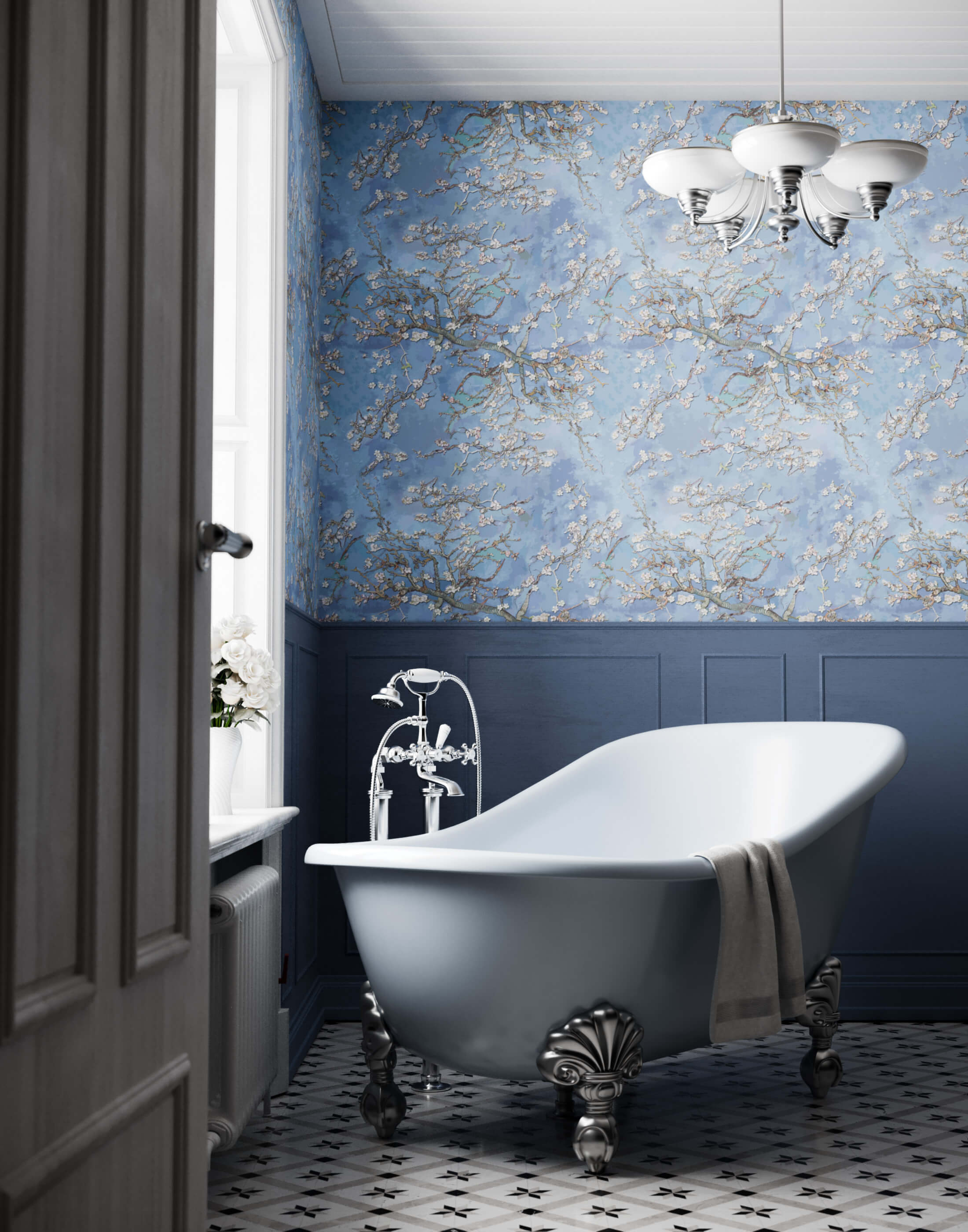
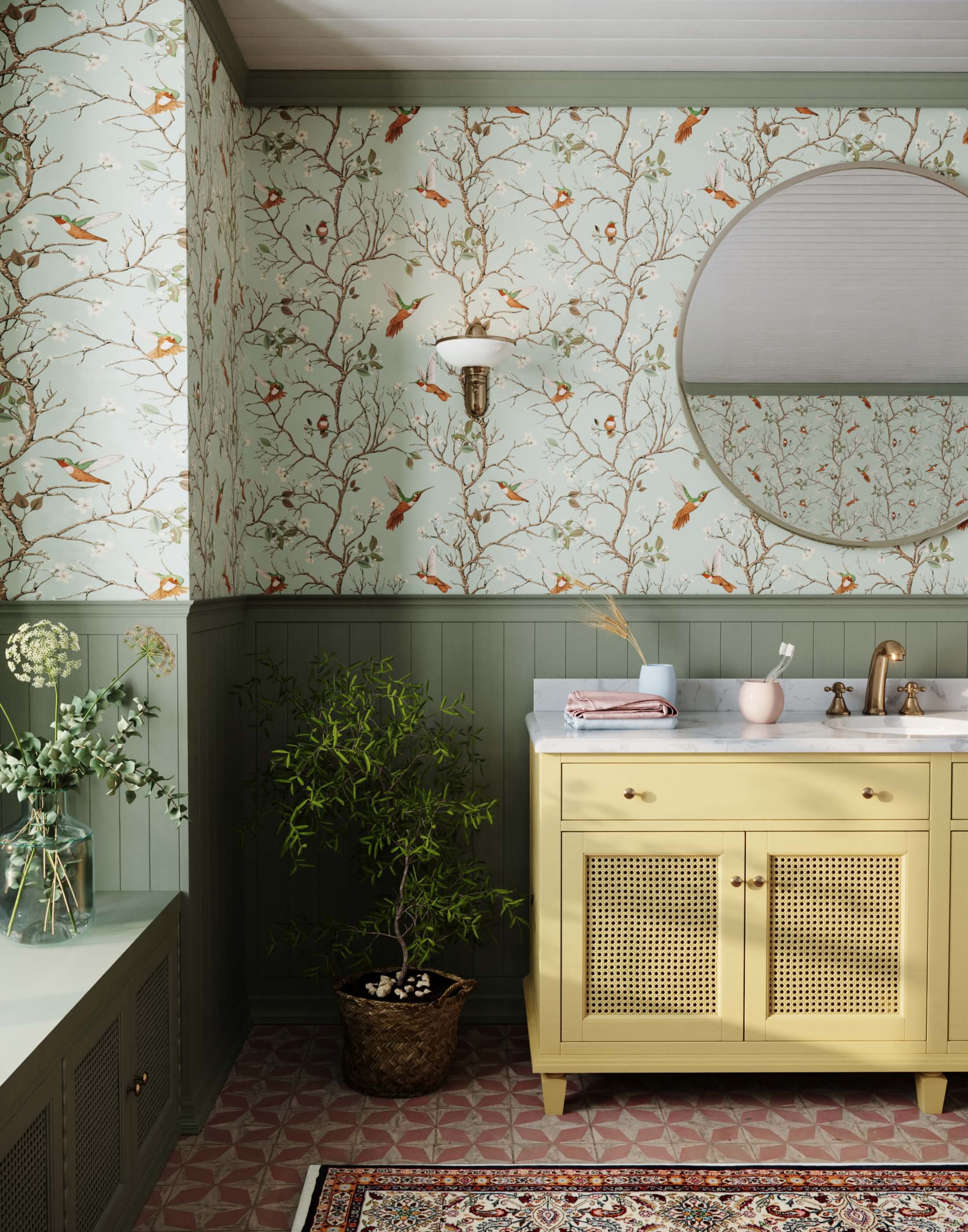
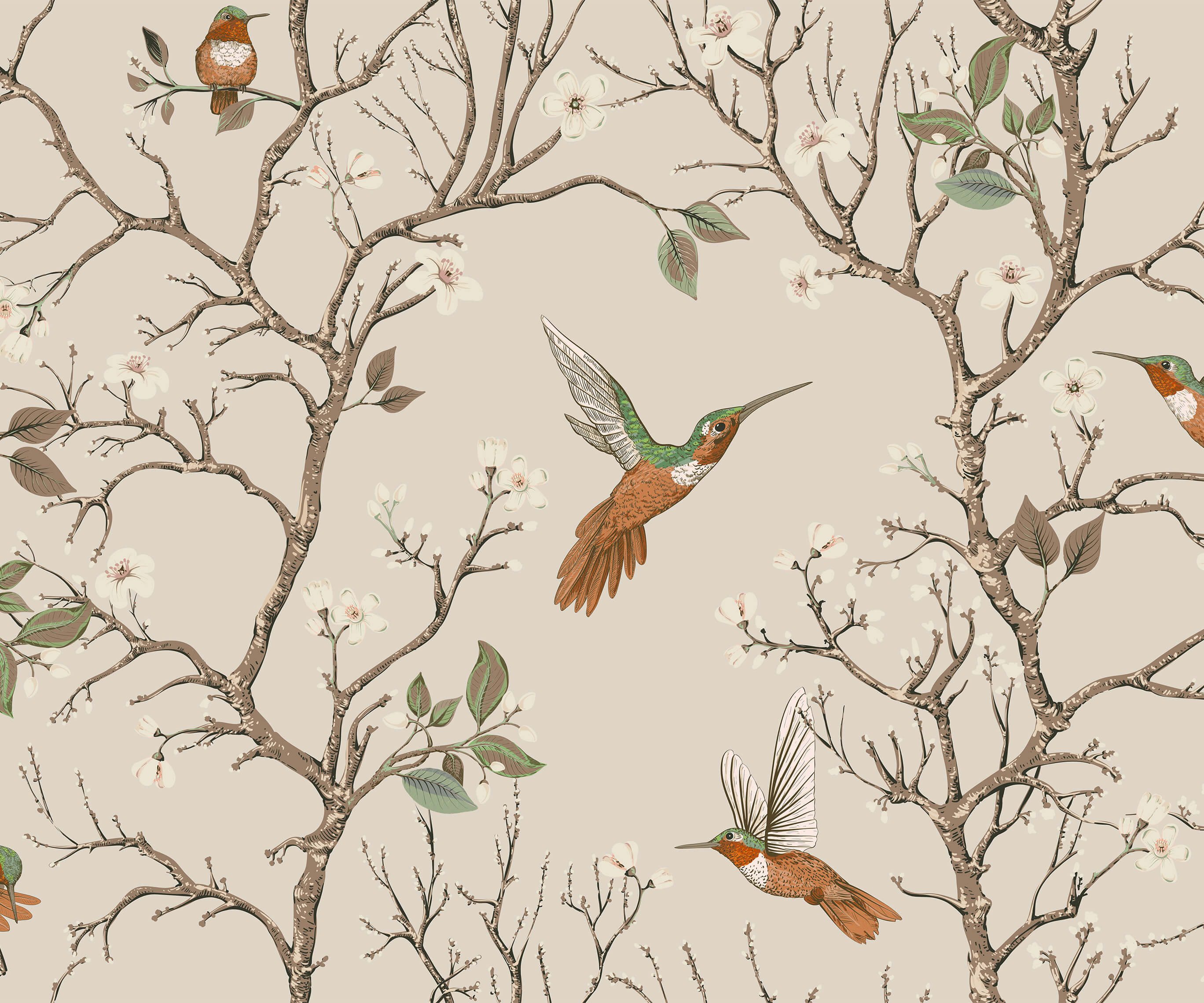
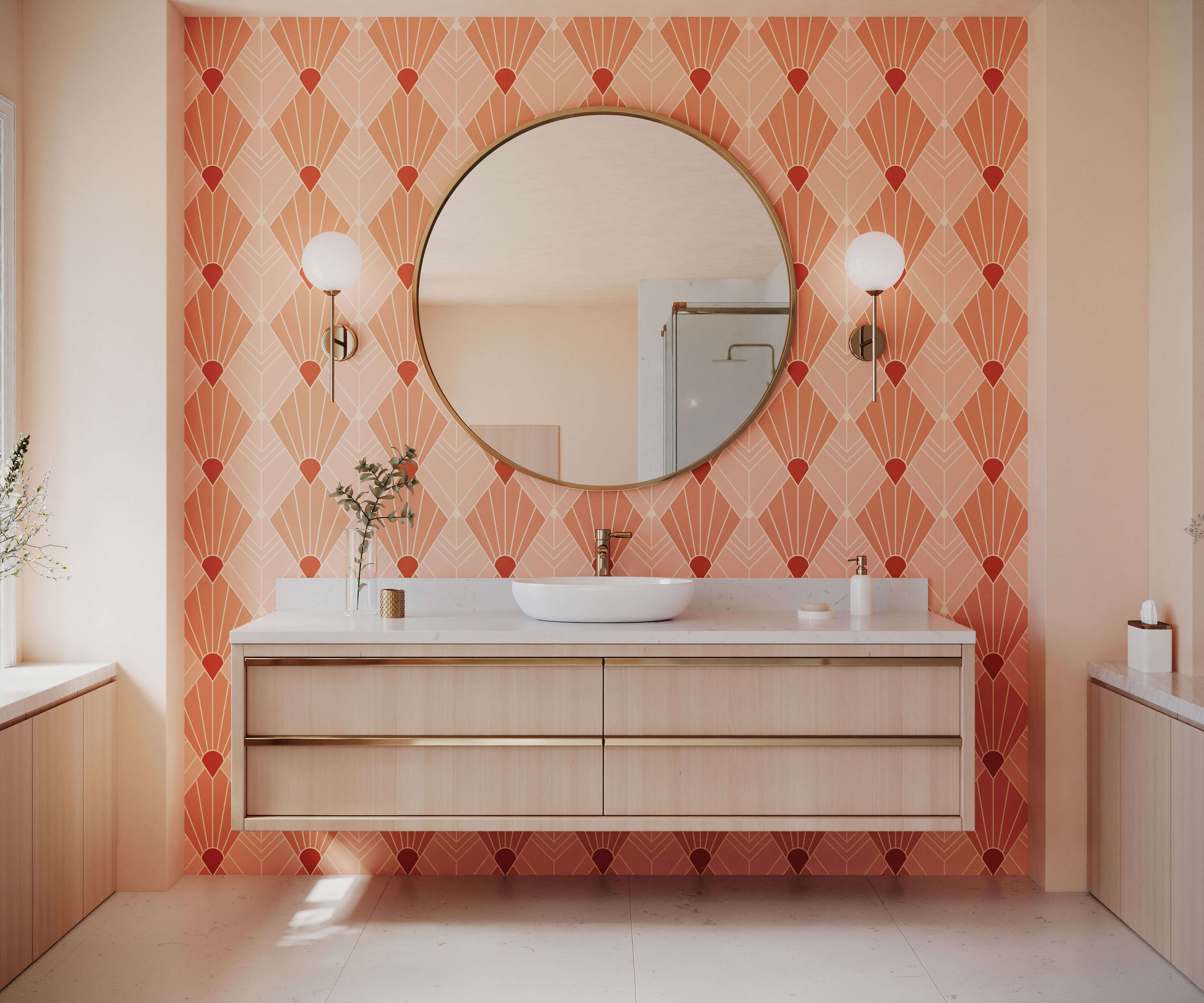
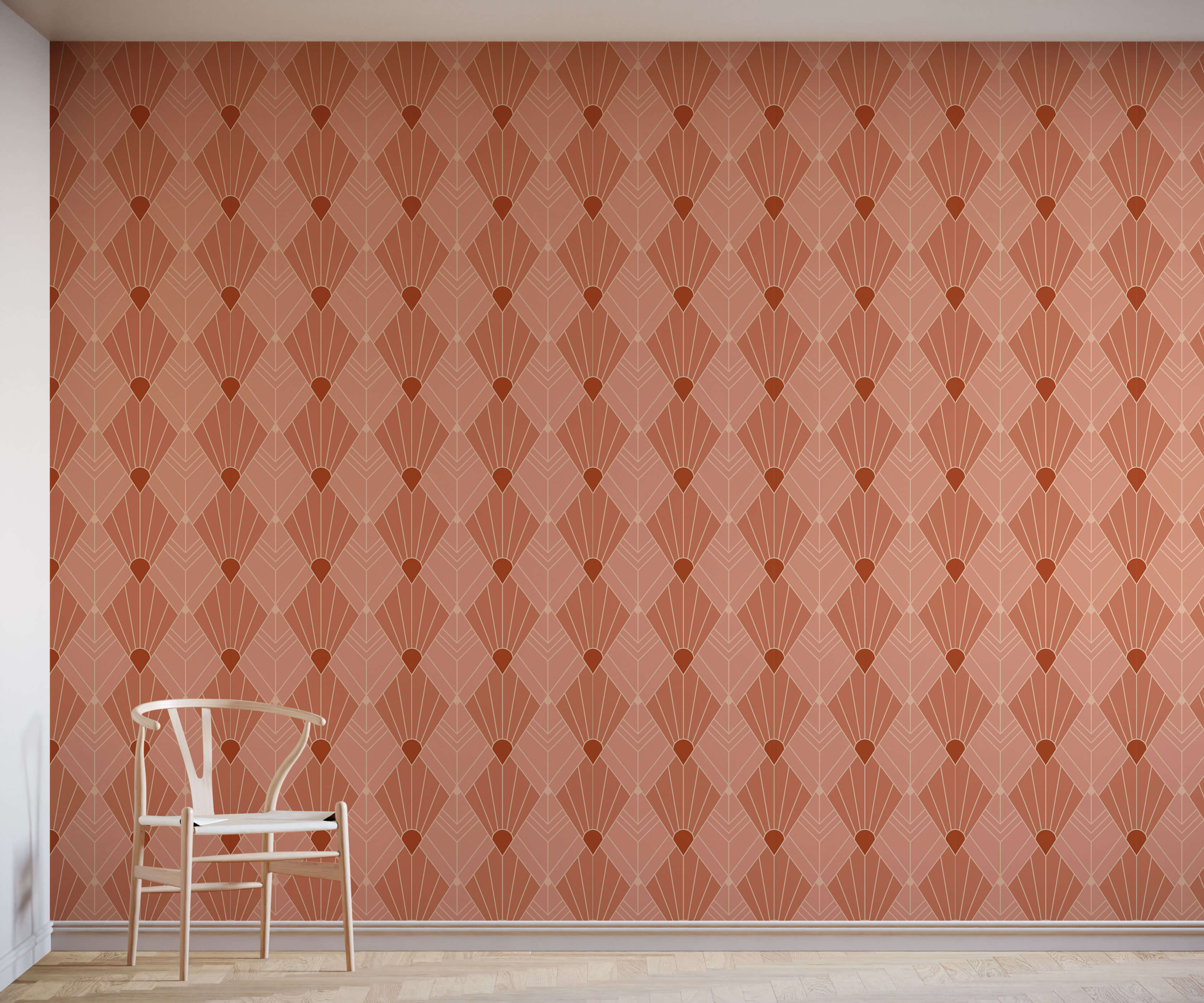
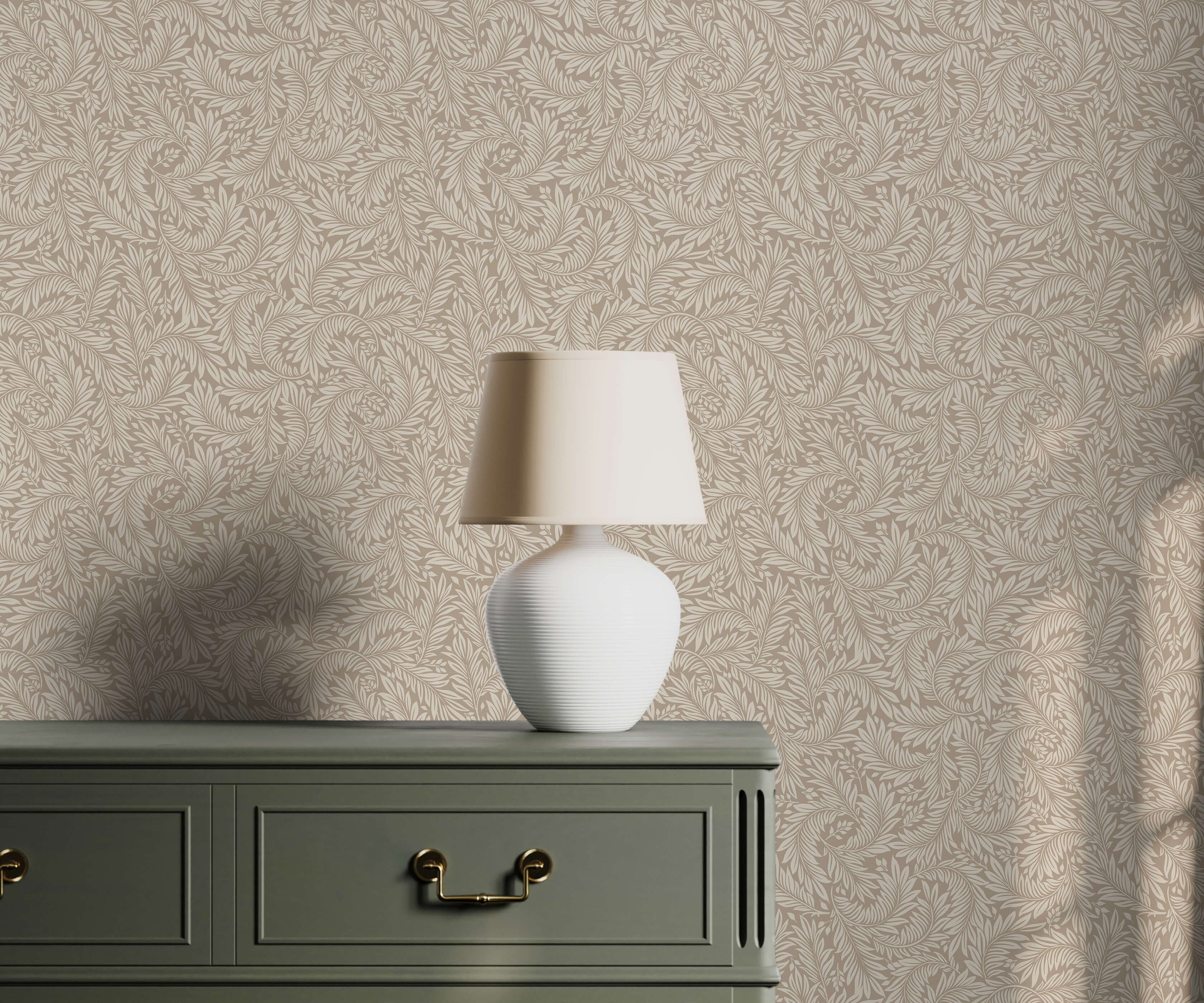
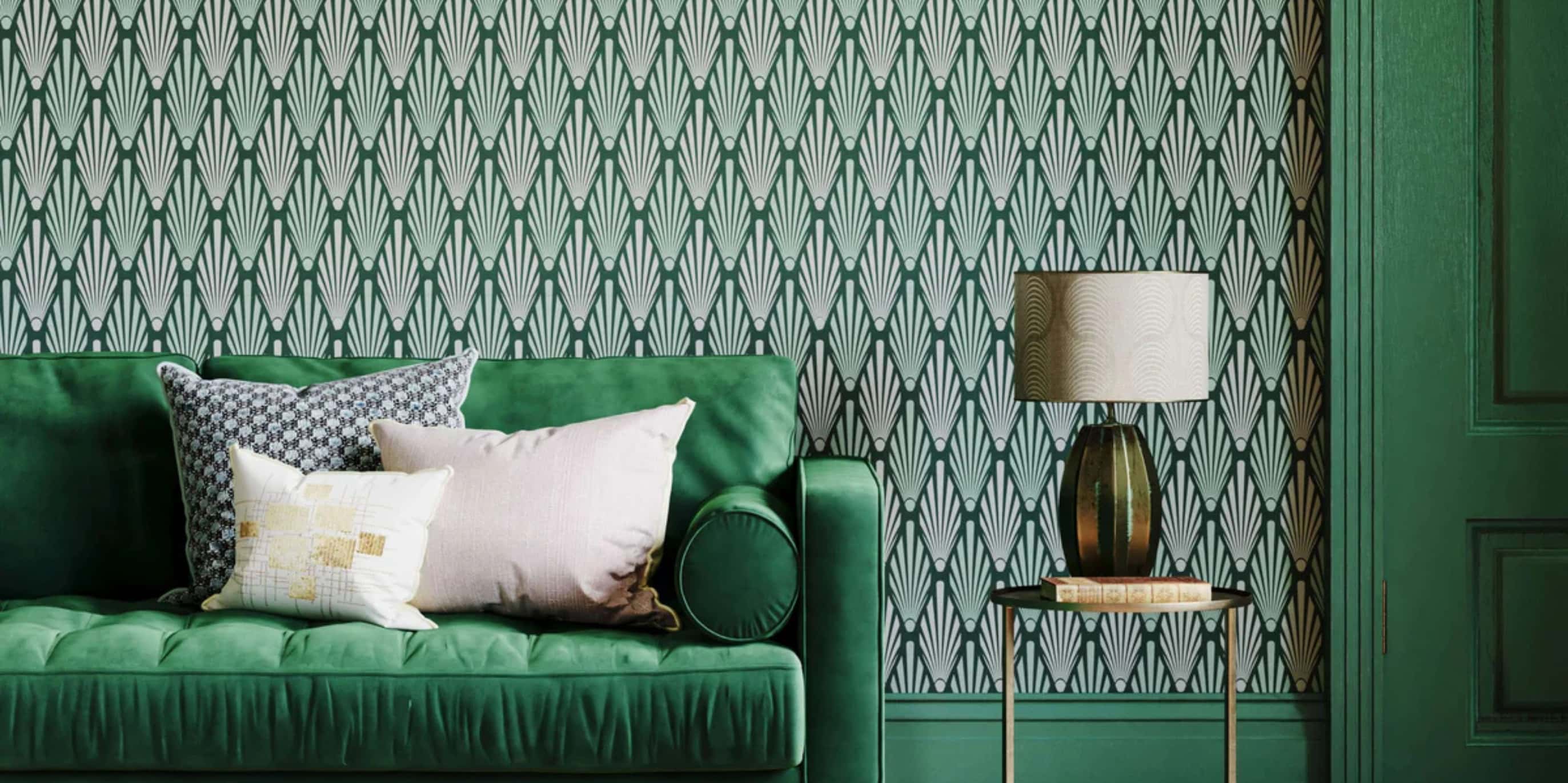
“The colour black is firmly here to stay and will remain a key trend into 2026," James notes, "Customers are increasingly drawn to bold, dramatic interiors that create a strong, moody impact. We’re also seeing a rise in Oriental-inspired designs, such as toiles and chinoiseries, alongside renewed interest in Art Nouveau patterns. Although visually distinct, these styles share roots in similar historical periods, spanning the 18th and 19th centuries.”
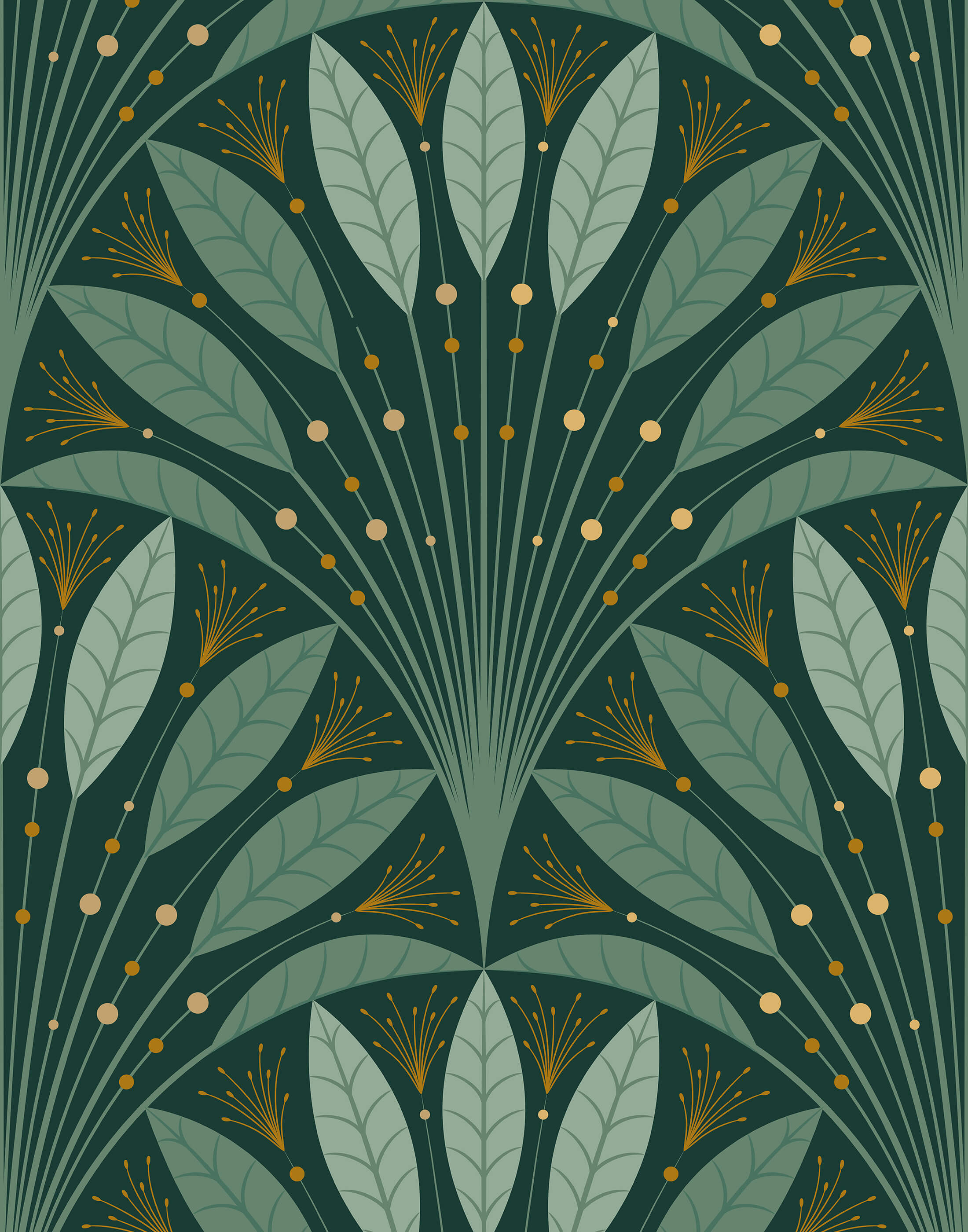
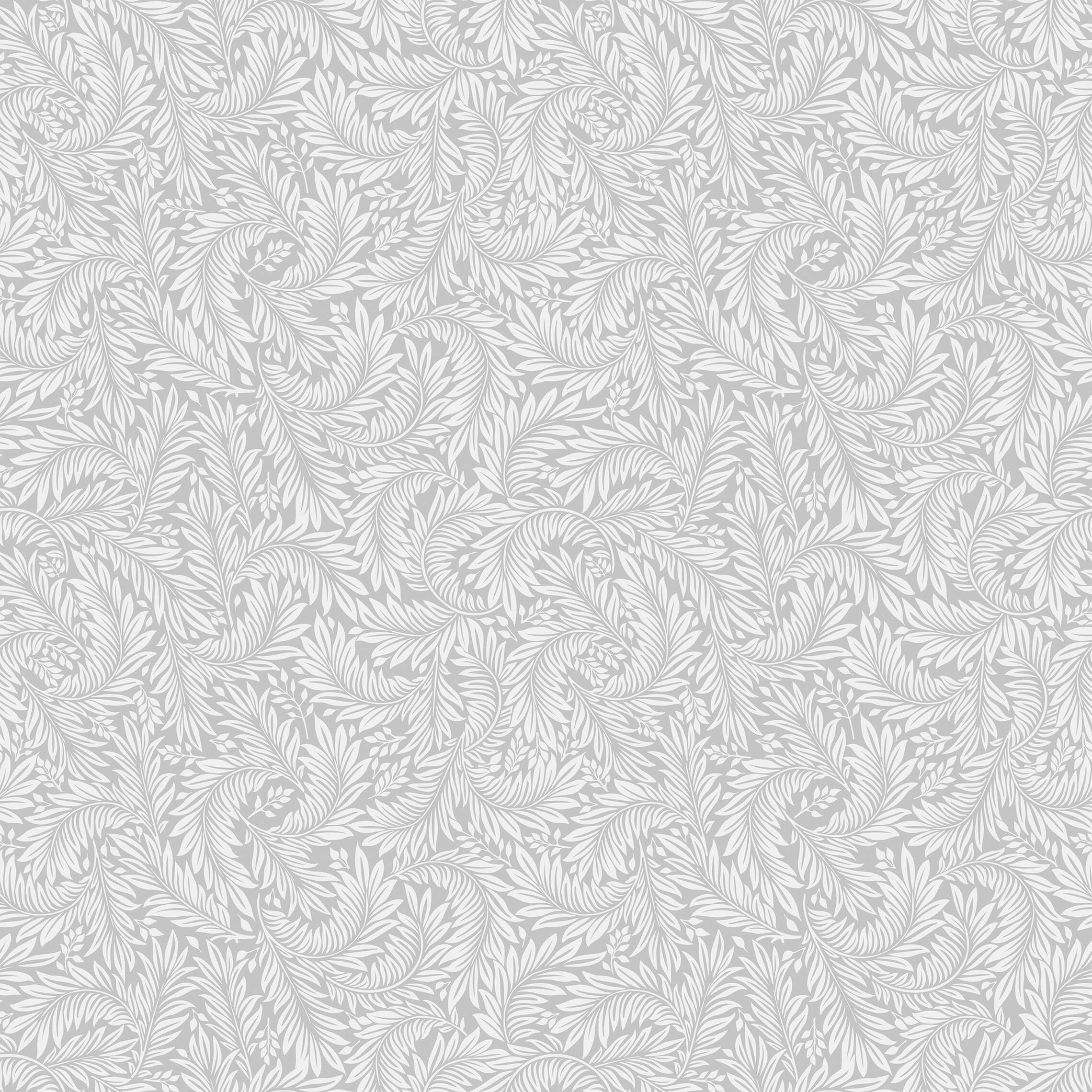
While the studio’s design palette is wide, James has a personal affinity for Art Nouveau. “The timeless style really stands out to me, and it’s amazing looking at a pattern which would have been popular several hundred years ago still stands the test of time.”
Bobbi Beck’s creative output shows no signs of slowing. The studio recently launched a gold-and-black metallic range, and there’s more on the horizon. “Our product development never stops, so we’re always launching new designs. We also have an exciting collaboration in the works, but that’s a secret for now, so I can’t say too much,” James hints.
We’ll certainly be keeping our eyes peeled.
All images by Bobbi Beck.